
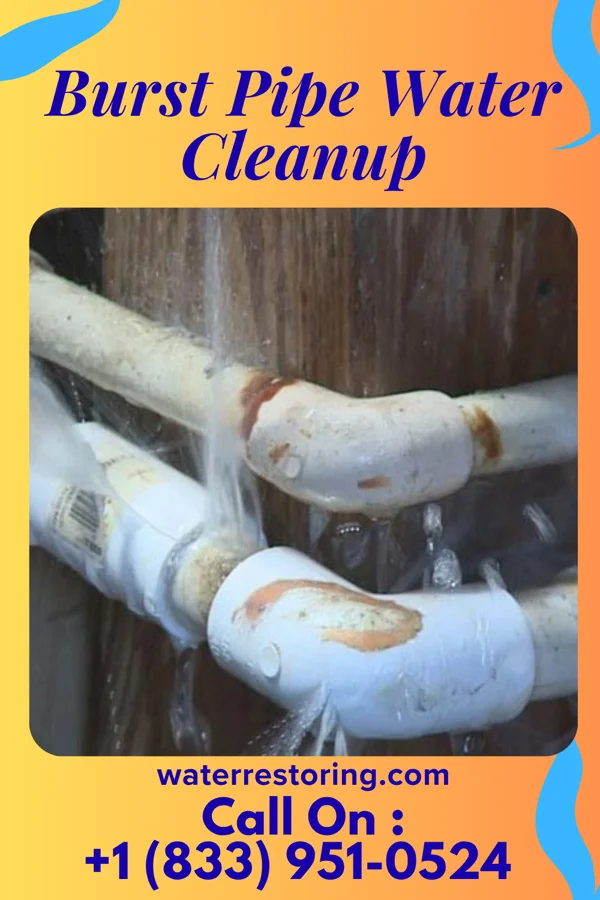
Burst Pipes Across Mount Wolf Neighborhoods
Every neighborhood in Mount Wolf has a different water damage risk profile. The one that shows up on most restoration calls is Mount Wolf, Pennsylvania, experiences a mix of rural and suburban infrastructure, which can lead to aging water lines in older neighborhoods. The presence of older homes with outdated plumbing systems increases the likelihood of pipe bursts, especially during colder months when water expands in frozen pipes.. A close second is The area's proximity to York County's agricultural zones means some properties may have irrigation systems or underground water lines that are more prone to damage from shifting soil or root intrusion. Additionally, the lack of extensive municipal water infrastructure in some parts of Mount Wolf can result in higher pressure fluctuations in private lines..
The seasonal temperature fluctuations in Mount Wolf, Pennsylvania, combined with the area's rural and suburban mix, create a unique set of challenges for water pipe integrity. Homeowners must be vigilant about both winter freezing and summer heat to prevent burst pipes and subsequent water damage.
Water damage in Mount Wolf follows a few local patterns. Mount Wolf, Pennsylvania, experiences a mix of rural and suburban infrastructure, which can lead to aging water lines in older neighborhoods. The presence of older homes with outdated plumbing systems increases the likelihood of pipe bursts, especially during colder months when water expands in frozen pipes. accounts for the bulk of our calls. The seasonal temperature fluctuations in Mount Wolf, Pennsylvania, combined with the area's rural and suburban mix, create a unique set of challenges for water pipe integrity. Homeowners must be vigilant about both winter freezing and summer heat to prevent burst pipes and subsequent water damage. Mount Wolf's moderate humidity levels and frequent rainfall can contribute to mold growth if water damage is not addressed promptly. The area's climate, combined with the potential for prolonged moisture exposure, increases the risk of mold development in affected structures.
For public guidance on the health effects of mold after prolonged water exposure, see the EPA mold and health page.